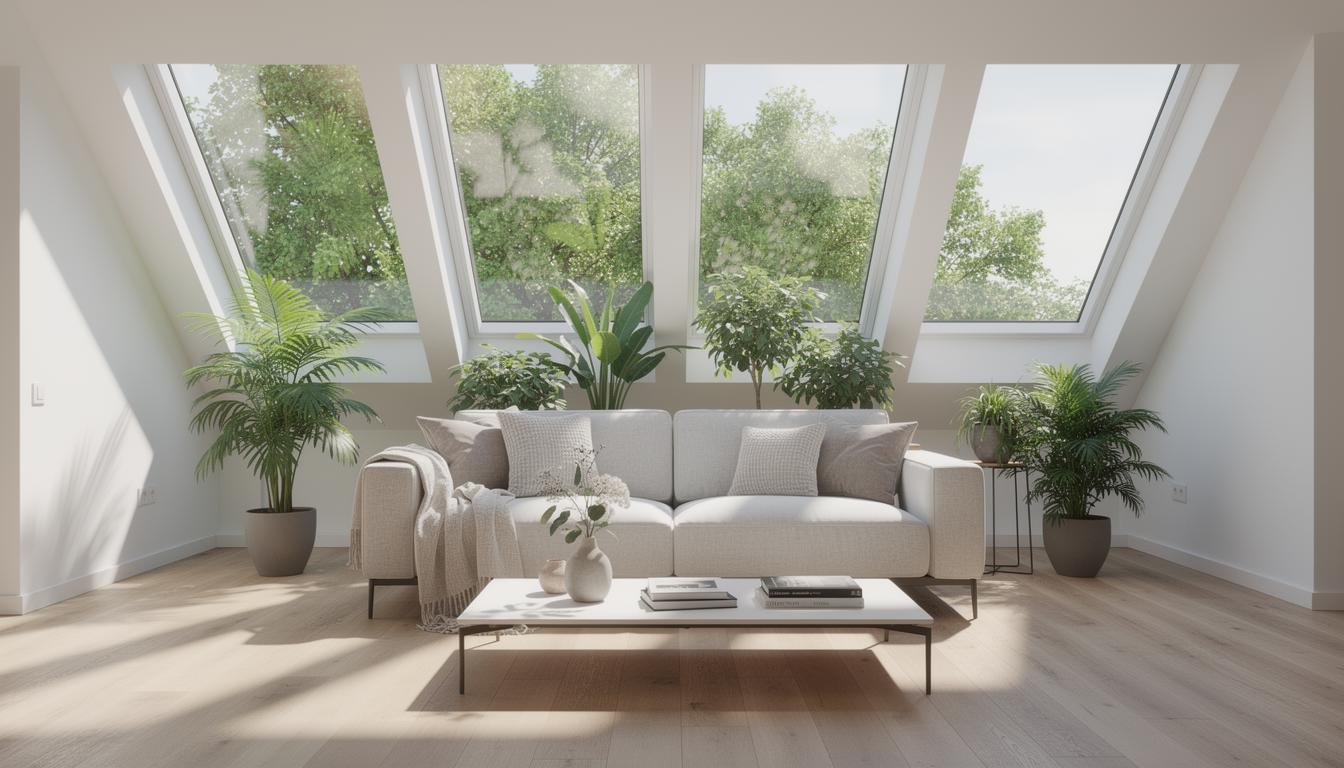
Brighter rooms instantly change atmosphere; those dim corners and cramped kitchens, they turn unfamiliar, almost alien. Who recognises the quiet transformation daylight offers? Rooflight windows show measurable benefits long before neighbours gossip about a recent renovation. Value rises, the mood shifts, the daily routine no longer stumbles in the dark. The wow factor fits naturally—right above the sofa, every ceiling could open to the sky.
The Living Change Rooflight Windows Trigger
With midday shadows crawling across the carpet, who tolerates gloom that smothers energy? Standard windows, short on ambition, cede defeat to stubborn walls. Sun glides in from above, reveals the hidden potential of a forgotten space. Some call it an upgrade; others, a necessity. No need for prediction—the market already testifies. In 2026, architects reference names like Velux, Fakro, SunSquare for almost every modern project, not as a passing trend but as a design baseline. Suppliers now showcase Elegant Roof Windows with a Contemporary Finish that blend performance with seamless aesthetics.
Also to read : Your local tree surgeon in moray: expert care for your trees
Stuffy bedrooms rebel against dimness, north-facing studies drop their excuses, and kitchens long considered too narrow stretch, fill with warmth.
The real trick, neighbours start noticing, homes equipped with proper daylighting systems sell on average nine percent faster. And nobody pretends this phenomenon hides in the margins—buyers stand ready to outbid rivals just for an extra patch of sunlight. The physical transformation arrives quickly, but another shift echoes emotionally. Rooms regain pulse, householders linger over morning routines, laughter travels further in an uncluttered, naturally bright home.
Also to discover : Optimize your dental practice with trusted accounting services
The Natural Light Shift and Wellbeing Uplift
Some mornings test resolve, eyes squint, energy drags. Natural sunlight shapes more than paint colour on the wall—those rays encourage movement, adjust rhythms, and magnetise the living experience. Traditional windows lose power by midday, barely nudging the shadows. But rooflight windows draw light deep into rooms, corridor corners and attic nooks, places once written off as hopeless.
Wellbeing never arrives by chance, after a few weeks with a roof window overhead, mood metrics tick up as if on cue. Even the UK Health Security Agency clocked higher scores for homes blessed with extra daylight; in 2026, those results still hold.
Whole households align routines anew. Sleep adjusts, wakefulness stabilises, energy cycles flow. Bedrooms regain their purpose, living rooms gain fresh appeal, and those once-abandoned studies light up with creative intent. Not a magical cure, no; just a clear, observable effect, seen by everyone who stands beneath the glass and senses day begin—again.
The Benefits and Choices behind Rooflight Windows
No sense waiting in the past; every decision about fenestration branches out, intersects practicality with well-being. Some opt for pure performance, others lean heavily on aesthetics, but all commit to a solution that leaves ordinary windows behind. Ready for the next step?
The Energy Efficiency Leap with New Roof Glazing
Chilly draughts once crept along the ceilings; winter proved relentless, until better insulation tipped the balance. Rooflight systems evolve, matching ambition with science. Recent designs cross the threshold with U-values comfortably below 1.0W/m²K. Triple-glazing, argon fills, low-E coatings—these are no longer boutique features but essentials in 2026. Velux and Korniche report that their latest models outperform double-glazed units by at least thirty percent for insulation, nipping excessive energy bills before they snowball.
A bedroom never chills when thermal lines remain sealed, heating costs stabilise, and even the bathroom, once dreaded at dawn, becomes sanctuary
Most units now boast aluminium frames that shrug off the worst weather. Low-maintenance by default, draught-free as standard. Households in the know check specs, run their hands along tight corners—no cold spots, no regrets. Smart daylight, smarter savings.
The Value and Visual Upgrade for Modern Homes
From street view, subtle signs set some properties apart. Bright interiors, light pouring overhead, windows sliced elegantly flush with the roof. Every estate agent notes the pattern: rooflight-equipped properties disappear from listings ahead of competitors.
RIBA’s national survey of 2026 calls daylighting “strongly desirable”—buyers chase specification, not just curb appeal. Homeowners discover that buyers offer more for that sense of openness and healthy air flow.
A drab 1950s flat, tired by years of faint light, commands higher bids after a kitchen refresh and an airy new ceiling aperture. “We would never revert to our old layout,” shares a homeowner in Cambridge, “it feels right—our top floor lives and breathes now.” Value covers both numbers and sentiment; perception anchors the price.
The Main Types of Rooflight Windows and Their Applications
Designers juggle options, yet context tugs hard. Not all glass panes belong in every scenario. Robust walk-on systems, delicate fixed units, flexible openings—each deserves a particular spot.
The Main Choices: Fixed, Opening and Walk-On
- Fixed units establish clarity, low maintenance on corridors or lofts
- Opening styles handle stuffy kitchens and bathrooms, blending light with airflow
- Walk-on designs open terraces and flat roofs to new uses
| Type | Main Advantage | Best Use | Special Consideration |
|---|---|---|---|
| Fixed | Floods space with daylight, low profile | Lofts, corridors, internal rooms | No ventilation, lowest maintenance |
| Opening | Light plus adjustable airflow | Kitchens, baths, egress | More expensive, needs closing in rain |
| Walk-On | Dual function, terrace and daylight | Flat roofs, roof terraces | Heavy, needs specialist fitting |
Not every living room accepts a walk-on roof window; sometimes fixed units rule, sometimes air flow comes first. Choosing involves careful balance—light, air, space, and one’s willingness to climb up for a view or a coffee on the roof. No universal answer, only smart adaptation.
The Frame and Glazing Variations for Any Preference
A frame material, it sways the mood. Aluminium glows sleek in minimalist dwellings; timber vibes rustic and warm, but expects genuine upkeep. Privacy worries? Frosted glass solves it without pulling curtains day after day. Solar-control coatings cut heat spikes, tints mute glare. In 2026, brands like Keylite and Whitesales crowd the shelf with triple-glazed, self-cleaning, and even multi-coloured offerings. Fittings span from understated to flamboyant. Setting the scene—personal, never passive.
The Road to Installing Modern Rooflight Windows
Hands tremble when mistakes loom; confidence surges when the plan runs tight. No drama, just methodical actions; assess, measure, prepare, seal, inspect. Professionals, trusted by large brands and ratings boards, walk the line that separates compliance from financial setbacks.
The Installation Steps: A Relentless Routine
| Phase | Description |
|---|---|
| Assessment | Survey the site, check structure, recommend strategies |
| Measurement plus Ordering | Pin down sizes and frame choices, arrange delivery |
| Roof Preparation | Carve the opening precisely, reinforce as needed |
| Integration plus Sealing | Frame set, edges weatherproofed, connection locked tight |
| Sign-off | Quality review, compliance checked, owner returns |
The difference lies not in tools but in trust. Mistakes mean moisture creeps in, insulation fails, municipal control asks awkward questions. Fitters worth their badge, knowing regulations, secure pass marks and sleep easy. That’s peace—the warmth feels honest, the paperwork stands in order, the call-back rate stays low.
The Rules in Place, Permission and Protection Demanded?
Planning permission rarely rears its head for modest glass panels on rear elevations, unless the address perks up on a list of protected structures. Despite this, every property submits to the Building Regulations 2010 in the UK, notably Document L for energy and K for access and safety. No cutting corners: houses edge up to nightmarish retrofits without proper checks. Fire egress rules tighten near bedrooms, and trusted manufacturers, especially Velux, hand out certifications for British Standard compliance (BS EN 14351-1). Nobody fancies delays stretched by missing signatures—skip due diligence, waste time and money.
The Rhythm of Maintaining Rooflight Windows
Some installations nag for attention; others, hardly a peep. Properly sealed glass rarely bothers anyone; a seasonal swipe of the frame, a brisk look at the seals, and days continue with a clear view. Aluminium frames resist storms and sulks; timber flourishes only with careful hands and a fresh seal as the year tips round. Maintenance reframes the sense of ownership; satisfaction rests on diligence, not drama.
The Life Expectancy and Warranty Checks
No crystal ball predicts fate, but numbers add up. Two decades, perhaps more, greet regular checks and nimble updates—broken seals, damp spots, all caught early. Service contracts ride alongside warranties, and Velux or Fakro present five, fifteen, sometimes twenty years of documented peace. Cut corners, fit poorly, and the lifecycle sours prematurely. Quality endures, makes its case over seasons, pays for itself as the years inch along and storms pass.
The Suppliers and Their Value Propositions
Suppliers blend reassurance with proven track records—nobody leaves this to chance. Peers point to review platforms, alert to horror stories, but mention technicians who leave homes immaculate. Installers and glass fabricators who chase British certification, Verified Trades endorsements, and confessions of real-life homeowners—those are the names to circle.
The Not-So-Simple Supplier Question
Certified installers pass trade scrutiny, brush up against the British Standards, and fend off disasters before trouble starts. Stories matter, not slogans. One Islington resident sings praises of Keylite: their fitters treated the flat with rare respect, kept noise and clutter minimal, and finished with no snags. Aftercare matched the build—steady, responsive. Full transparency—ask questions until satisfied, phone three suppliers and judge on attitude, not just price.
The Budget Landscape and Realistic Choice Guide?
| Type | Typical Price (Installed) | Comment |
|---|---|---|
| Fixed | £300 to £500 | Daylight, best value |
| Opening | £700 to £1,200 | Perfect for kitchens, baths |
| Walk-On | £2,000 plus | Bespoke, premium |
Strict budgets rarely break under fixed panel installations, perfect for modest aspirations. Opening styles ask for more change—yet airflow always sweetens the deal. Walk-on units cast luxury shadows, shape rooftop terraces, and push well past the norm. No need for cynicism—the extra labour racks up fast. Not a game of lowest bidder; fitting quality deserves investment, regret sits with those who skimp.
What changes if ceilings turn into skylines? The struggle against dimness fades, daily tasks catch new light. With the right glass overhead, every departure from routine feels improved—even the most sceptical neighbour notices. Options expand, regulations adapt, suppliers compete, light pours in. Ready or not, mornings step into the future—brighter, warmer, more valuable at last.